understanding the role and advantages of pneumatic actuators in automation
Release time:2025-12-11 05:08:11
Pneumatic actuators play a crucial role in modern automation systems. These devices use compressed air to generate mechanical motion, enabling a wide range of applications in various industries. From controlling valves to moving mechanical components, pneumatic actuators are integral in industries such as manufacturing, automotive, food processing, and even aerospace. In this article, we will explore the working principles, advantages, and common uses of pneumatic actuators, as well as their importance in industrial automation.

What is a Pneumatic Actuator?
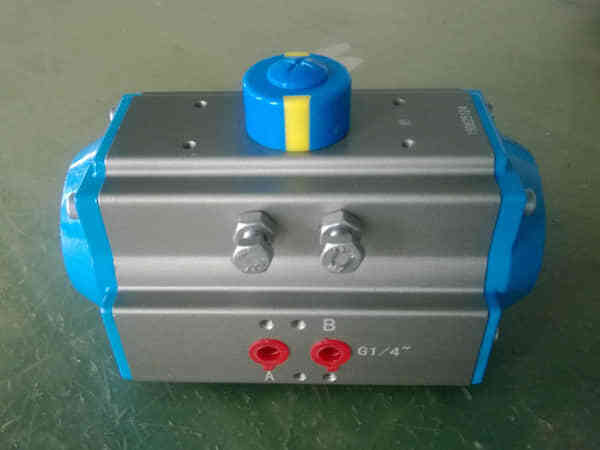
A pneumatic actuator is a type of actuator that uses the power of compressed air to produce mechanical motion. It consists of a cylinder and a piston, with the piston moving within the cylinder when pressurized air is introduced. Depending on the configuration, the actuator may move in a linear or rotary motion, making it highly versatile for a variety of tasks.
The basic components of a pneumatic actuator include:
Cylinder: The main housing that contains the piston and allows for the movement generated by the pressurized air.



 Chat Oline